Pictish Mystic · Lore · Fomorians
Elatha – The Silver-Ship King of the Fomoire
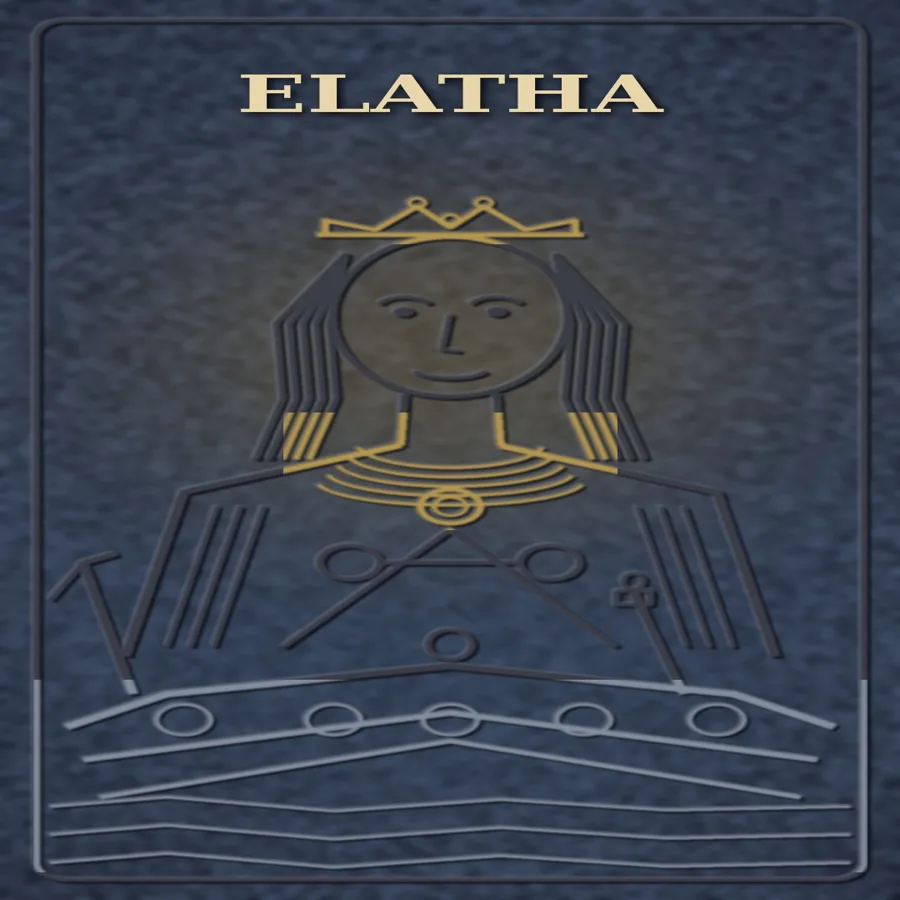
Today his father — the Fomorian king who would not bless injustice. Legend from Cath Maige Tuired (Gray, CELT) and Lebor Gabála. Not history. From their side.
The Name
Elatha, Elada, Elotha — modern Ealadha. Son of Delbaeth, king of the Fomoire. Lady Gregory heard in the name “art” or bardic knowledge; that would fit a father of Ogma, who gave Ireland the ogham script. Lebor Gabála calls him “glory of weapons” and “a wolf of division against men of plunder.” Beauty and judgement, not only sea-raid.
The Silver Vessel
Ériu, daughter of Delbáeth, watched from Máeth Scéni. The sea lay as calm as a level board. A vessel of silver came on the current — size clear, shape not. Then a man of fairest appearance: golden-yellow hair to the shoulders; cloak with bands of gold thread; shirt embroidered in gold; a gold brooch with the lustre of a precious stone; two shining silver spears on bronze shafts; five gold circlets at his neck; a gold-hilted sword with silver inlay and gold studs. He asked an hour of lovemaking. She had made no tryst. “Come without the trysting,” he said.
The Ring
She wept when he rose — for losing him, and that the young men of the Túatha Dé had asked her in vain. He drew the gold ring from his middle finger: never sell it, never give it, except to the finger it fitted. She asked who he was. “Elatha mac Delbaith, king of the Fomoire. You will bear a son. Name him only Eochu Bres — the Beautiful — for every fair thing in Ireland will be judged against that boy.” Then he went back over the sea. From his side: alliance by blood, not conquest alone.
Father Of Both Peoples
Bres grew twice as fast and took the Túatha Dé kingship to knit alliance with Elatha’s people. But Lebor Gabála also lists five sons of Elada: the Dagda (Eochu Ollathar), Ogma, Elloth (linked in some lines to Lir), Bres, and Delbaeth. Macalister noted the doublets. Elizabeth Gray’s study of the tale stresses the contradiction: the Fomorian king is also father to major Túatha Dé leaders. Kinship runs under the war. Some scholars read a generation-struggle — older powers and the new order — more than a simple good-versus-evil fight.
The Hard Verdict
When Bres was cast out, the ring fitted only him. At Elatha’s assembly, when the sword rose, the father saw the ring. Bres confessed injustice and arrogance — tribute, cold feasts, poets unpaid. Elatha’s answer is the clearest Fomorian ethics in the manuscript: “Better their prosperity than their kingship. Better their requests than their curses.” He would not win Ireland by wrong. He sent his son to Balor of the Hebrides and Indech mac Dé Domnann. A bridge of ships was made from the Hebrides to Ireland. Elatha himself is named among the kings encouraging the host at Mag Tuired — present, but the tale never has him contradict the verdict he spoke.
After The Battle
When Lug, the Dagda and Ogma pursued the stolen harp, they found it in the hall where Bres mac Elathan and Elatha mac Delbaíth still sat. The Dagda’s sleep music let the three escape. Even in defeat, the silver-ship king is still on the page.
Scholars
Gray maps kinship and hostility in the same house. Ó Cathasaigh reads kingship-as-example. From the Fomorian angle: Elatha is the father who fathers both sides, and the only king in the tale who says aloud that injustice is not worth a throne.
Still In The Tale
Máeth Scéni. The ring that fitted one finger. The calm sea.
These are legends from medieval manuscripts, not recorded history.
First shared on TikTok @johnshaw333.
Read in the Pictish Mystic app · Draw a free Pictish rune reading